

Every autumn Auckland has the same argument with itself. A percentage gets announced, one half of the city calls it a hammering and the other half calls it the bare minimum, and by the time submissions close nobody has said a word about what the money actually buys. That is the part worth arguing about, and we skip it every single year.
The Number Everyone Argues About
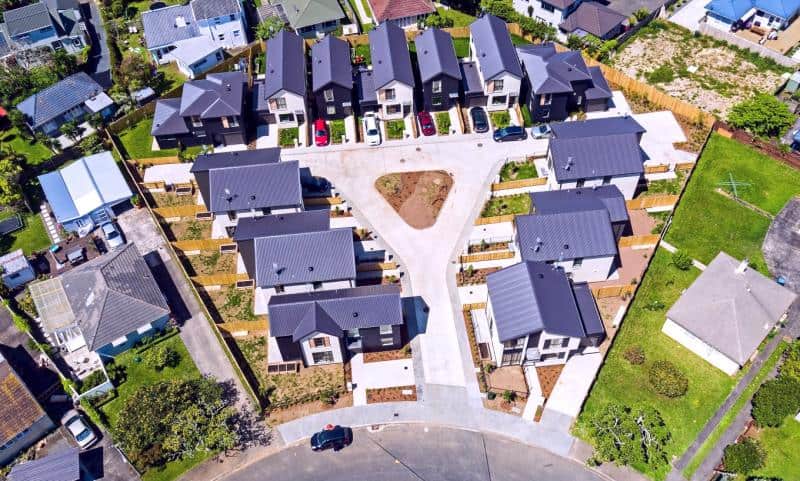
The Argument Auckland Has Every Year
It arrives as reliably as the first southerly of the season. Consultation documents go out, a number gets attached to the average residential property, and within a day the city has sorted itself into two camps that have not moved since the supercity was assembled.
One side says the increase is unaffordable. The other says it is the least required to stop things falling over. Both treat the figure as the whole story.
We should be plain about what this is: an opinion piece, and here is the opinion. The percentage is the least interesting number in the budget, and its dominance is the reason the argument never gets anywhere.
A Percentage Of What, Exactly
A percentage is a share of something, and the something differs enormously between a unit in Otahuhu and a lifestyle block in Karaka. Two households hear the same figure announced and open bills with nothing in common.
Then there is the part that derails half the conversation every year. Water does not come out of your rates. Watercare bills separately, so a large slice of what people picture when they picture council spending is not in the number being argued about at all.
Strip that out and you are left with a figure that says how much more you are paying and nothing about what you are paying for. It is a price with the product removed.
The Thing The Percentage Is Attached To
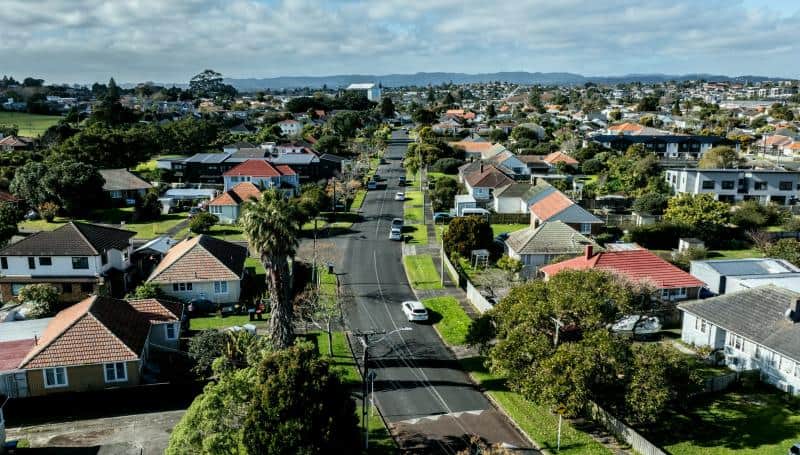
The Services You Only Notice When They Stop
Rubbish is the obvious one. The bin goes out, the bin comes back empty, and the only week anyone thinks about the arrangement is the week it does not happen.
Libraries are the ones people underrate until they need them. Pukekohe, Birkenhead, Otahuhu, the big one in Takapuna – warm rooms with free internet, holiday programmes and staff who will sit down and help someone fill in a form. Pools do similar work. So do the playgrounds, the mown berms, the footpath relaid before somebody broke a hip on it.
None of it is glamorous and none of it makes the front page. That is the point. These are the services whose success looks like nothing happening.
The Half You Will Never See
Underneath sits the work nobody photographs. Stormwater pipes, culverts, the drains that decide whether a street in Mangere floods or merely puddles. Auckland found out in early 2023 what happens when that system meets more water than it was built for, and the recovery is still running.
Add the consenting teams and the building inspectors. Add the coastal erosion work along the eastern bays, and the beach testing that tells you whether it is sensible to swim at Milford after rain. Add the cemeteries, because Waikumete does not maintain itself.
Add the pest control keeping the fenced sanctuary at Shakespear working, and the regional parks out at Whatipu that most of us visit twice a decade and would be furious to lose.
The Boring Bill At The Bottom
Then there is the part of the budget nobody has ever campaigned on: interest, insurance, and the slow business of replacing things that are wearing out.
Auckland owns an enormous amount of stuff. Pipes, bridges, halls, wharves, thousands of kilometres of road. All of it ages, and a council that stops renewing it is not saving money, it is handing a larger bill to whoever holds the chair in fifteen years. Insurance has become its own problem since the storms, for reasons anyone who has renewed a house policy lately will recognise.
None of that is a service you can cut a ribbon on. It is still a meaningful share of what rates do.
Both Camps Are Avoiding The Same Sentence
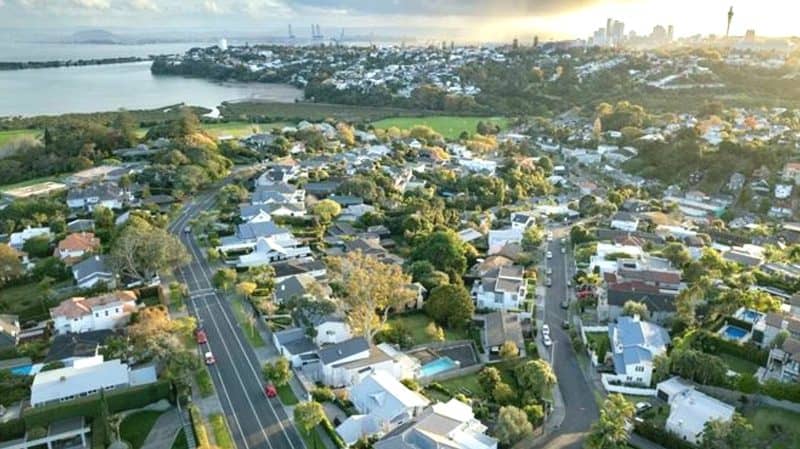
Cut It, But Say Which Bit
The case for holding rates down is neither silly nor selfish. Plenty of Aucklanders are on fixed incomes in houses that have been revalued into a bracket their bank balance never joined. Rates rose again this year, on top of insurance, on top of the groceries. For those households the pressure is real, and the council is one of the few bills you can shout at.
But the case is nearly always made in the abstract. Waste, bloat, consultants, efficiency. Those words do so much work precisely because they name nothing.
Efficiency savings are real and worth chasing. They are also finite, and the next dollar after them comes out of a service. So say which one. The pool, the library hours, the seal extension on a Franklin gravel road, the mowing.
Spend It, But Say What We Get
The other camp has the better evidence and the worse pitch. Auckland underinvested in its own plumbing for decades and the bill has come due in public, repeatedly. Anyone arguing the city can keep deferring renewals is arguing with a flooded basement.
The trouble is what gets promised in return. More investment, better outcomes, a resilient future. That is a mood, not a deliverable.
A ratepayer being asked for more is entitled to know what changes and when. Which streets stop flooding. How many buses turn up on the routes that currently swallow them. When the library opens on Sundays again. Give people something checkable and next year’s consultation stops being a referendum on a percentage.
The Question Worth Asking Instead
The better question is not complicated. What level of service are we buying, what does it cost, and did we get the one we paid for last time?
It is harder to ask than it should be. The documents are enormous, the consultation offers options that have already been narrowed, and the only part that is easy to understand is the part with a percentage attached. That is not a conspiracy. It is what happens when a very large organisation writes for itself first.
Local boards are the closest thing Auckland has to a fix. They deal in the specific: this park, these hours, that footpath. Those are the conversations the whole city should be having, and almost nobody outside the room is having them.
Nobody is going to enjoy their rates bill. But there is a difference between paying too much and not knowing what you bought, and Auckland has spent fifteen years arguing about the first while quietly tolerating the second. The percentage will land again next autumn. The better question is whether anyone can say, plainly, what changed.
5 Comments
Been making this point at Franklin local board meetings for years. The seal extension line gets trimmed every time the budget tightens and nobody downtown calls that a service cut, they call it a deferral. When you live at the end of the gravel it is exactly the same thing.
Disagree with the framing a bit. Plenty of us have named the cut, we just get told it isnt on the table. Ask about the comms budget at a public meeting and watch how fast the subject changes.
Fair enough, but comms is a smaller slice than people assume. Went to a budget session over at Otahuhu and half the room wanted to talk about pipes and insurance, which was not what I expected walking in.
The Watercare point should be printed on the front of the consultation document. Every year someone at work tells me their rates went up and then complains about their water bill in the same breath, and they are two separate bills from two separate organisations. My mother in Birkenhead had no idea until last winter.
Good piece. Where does an ordinary person actually find the service level numbers though? The budget PDF defeated me somewhere around page forty.